










What’s inside your chocolate bar? – Food Macro with flexible LED Lighting – Watch on YouTube
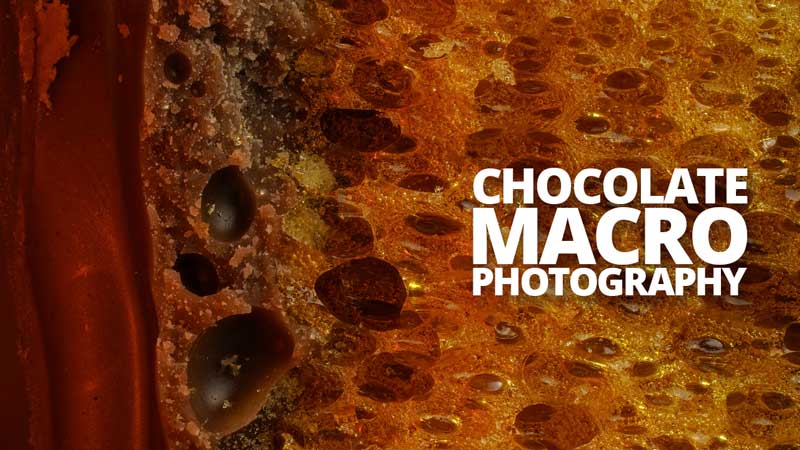
Chocolate bars are something that the sweeter ones among us see regularly, but few people have looked closely at what is hiding beneath the surface. When viewed through a macro lens, even the simplest chocolate can reveal a fascinating world of textures, bubbles, layers and patterns that are normally overlooked in favor of flavour.
This is what makes chocolate such an interesting subject for food macro photography. A crunchy centre, an aerated filling or a layer of caramel can become an entirely new landscape when photographed at high magnification.
Of course, seeing these tiny details requires more than just a macro lens. Lighting plays a huge role in revealing texture and shape, especially when working with food subjects. In this guide, we’ll look at how Adaptalux flexible LED lighting can help uncover the hidden structures inside your favourite chocolate bars.
In this Article
- Using flexible LED lighting for food macro photography
- Revealing hidden textures inside chocolate and confectionery
- Positioning macro lights to enhance detail and depth
- Using diffusion to enhance shadows and texute
- Creating striking macro food images with the Adaptalux Macro Lighitng
Equipment Used.
Camera
- Sony A7III
- Sony 100mm f/2.8 Macro
- Sony 2x Teleconverter
Lighting
Why Chocolate for Food Macro Photography
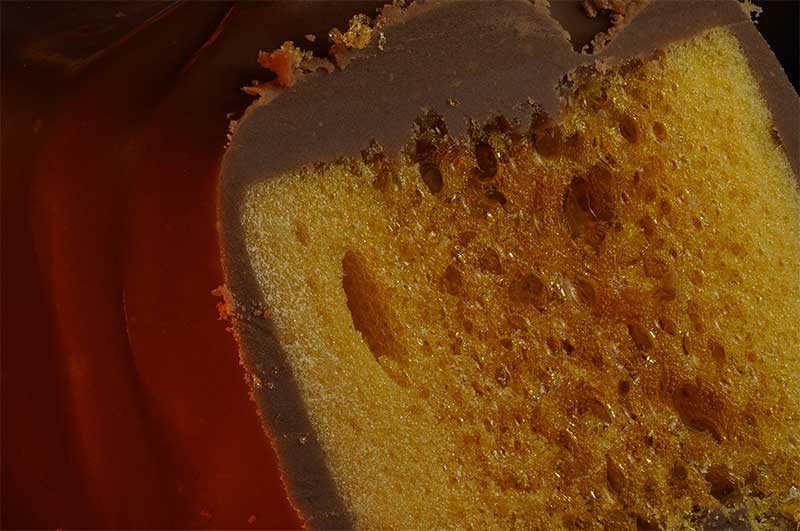
Many food subjects look great in macro photography, but chocolate offers something particularly interesting. The outer shell is often smooth and reflective, while the inside can be packed with detail. Honeycomb, biscuit, wafer, nuts and aerated chocolate all create unique textures that become increasingly impressive as magnification increases.
Breaking or cutting a chocolate bar open immediately creates opportunities for more engaging photographs. Instead of documenting the product as it appears on a supermarket shelf, you can reveal details that are normally hidden from view.
At high magnification crumbs and crystals catch the light. Layers of filling and chocolate coating begin to separate visually, creating images that feel almost abstract.
This combination of familiar subjects and unexpected detail makes chocolate a fantastic choice for a macro photography subject.
The Challenge of Lighting Small Food Subjects
Lighting is often one of the biggest challenges in macro photography. As magnification increases, working distances become smaller and positioning traditional lighting becomes more difficult. Food subjects can also produce strong reflections, especially when smooth chocolate surfaces are involved.
Without careful lighting, textures can appear flat and lifeless. Important details inside the chocolate may disappear, leaving the image looking dull despite the high level of magnification.
The aim is to control the direction, intensity, colour and diffusion of the light so it reveals shape, depth and texture. This is where dedicated macro photography LED lighting can make a significant difference.
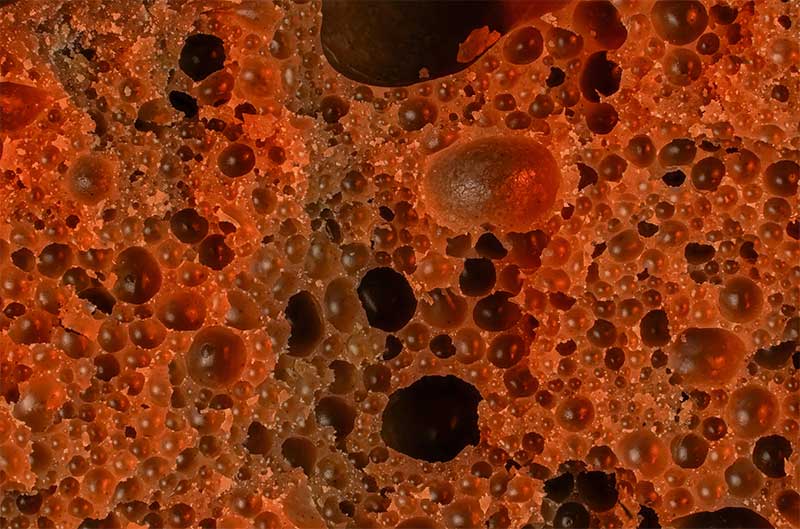
Using Flexible LED Lighting for Macro Photography
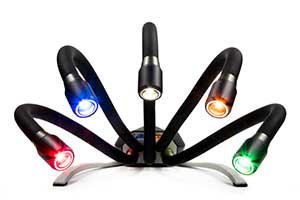
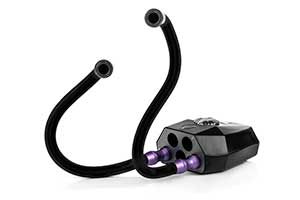
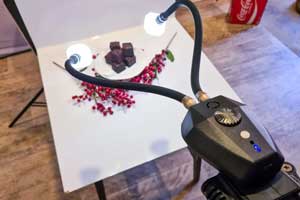
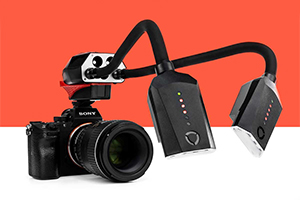
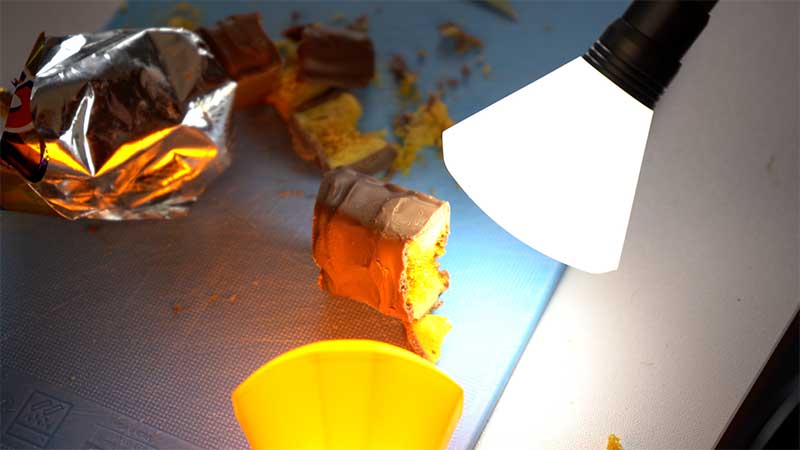
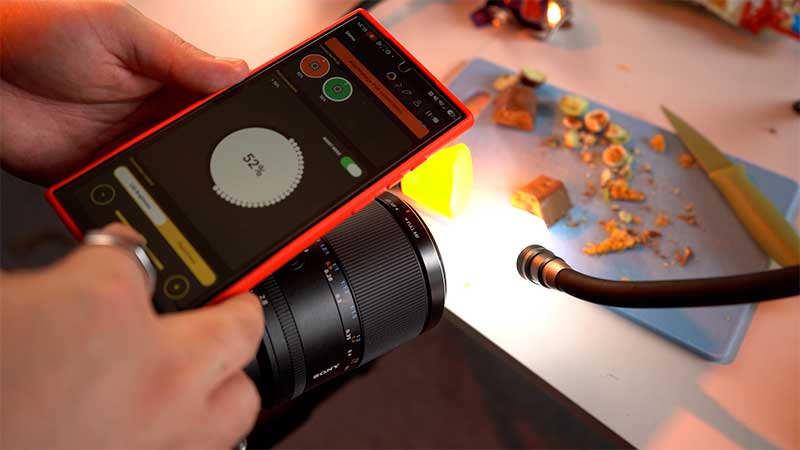
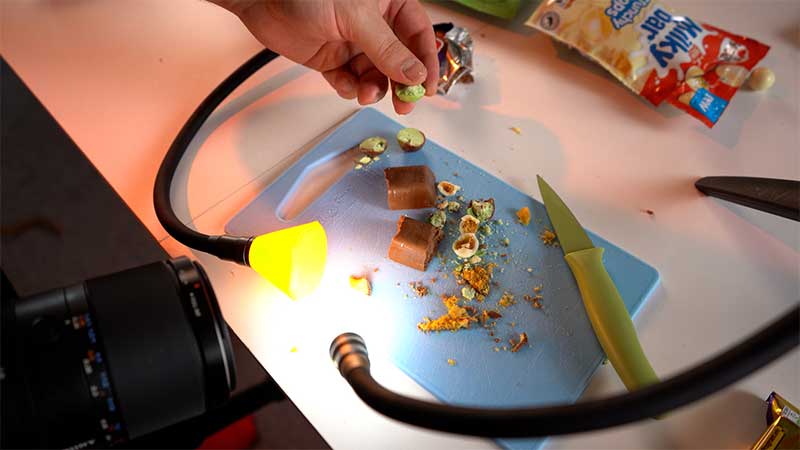
A flexible lighting system offers much greater control when photographing small subjects. For this setup, the Adaptalux Pod Mini 2.0 was used as part of the Adaptalux macro lighting system. The system allows individual flexible lighting arms to be bent into position, making it easy to place light exactly where it is needed. This is particularly useful when a lens is positioned very close to the subject.
Instead of being limited to a single lighting angle, multiple lights can be arranged around the chocolate. This makes it possible to illuminate specific areas while maintaining shadow and contrast elsewhere in the scene.
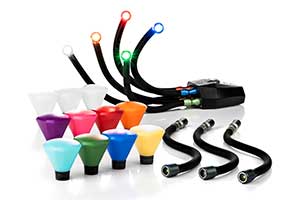
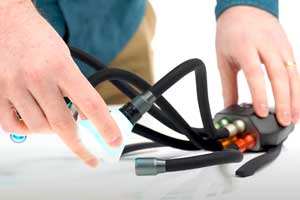
The system also supports magnetic modifiers that attach to the end of each lighting arm. This allows the quality of the light to be adjusted quickly without having to rebuild the entire setup. For subjects with lots of texture, this level of control becomes extremely valuable.
Revealing Hidden Texture
One of the most rewarding aspects of food macro photography is discovering details that would otherwise go unnoticed. Chocolate is full of these hidden features.
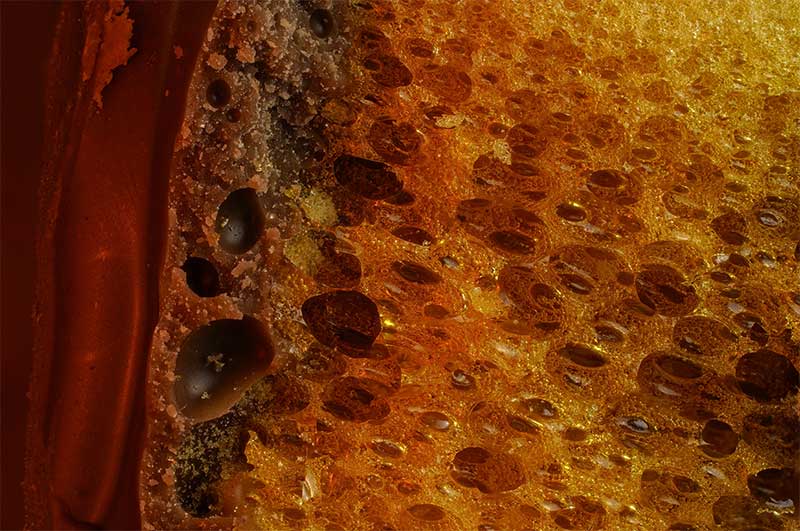
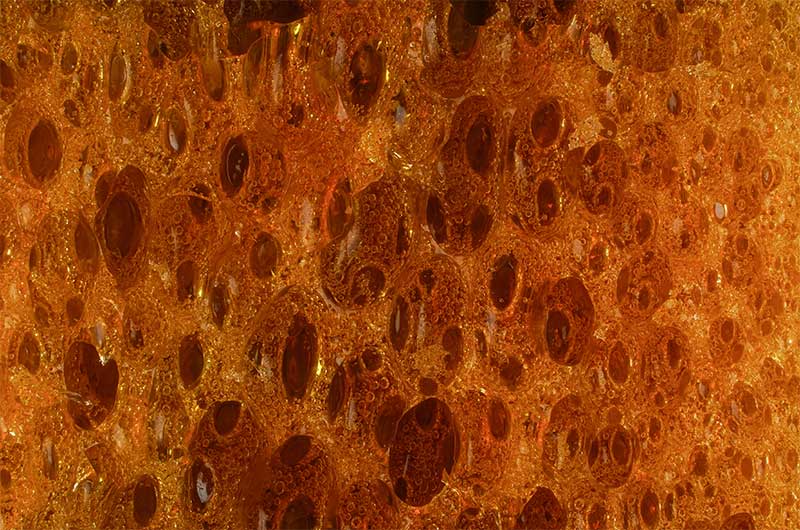
When directional light is introduced from a low angle, tiny surface variations begin to stand out. Air bubbles cast small shadows. Cracks and ridges become more visible. The internal structure of the filling stands out from the surrounding chocolate shell.
What initially appears to be a simple piece of confectionery is transformed into a complex collection of textures and shapes. Using a couple of Pod Mini lights positioned close to the chocolate helps add an extra punch of illumination while emphasising the texture within the exposed centre. This approach draws attention directly to the details that make the image interesting.
Often, only small adjustments are needed. Moving a light slightly closer or changing its angle can completely alter the appearance of the subject.
Working with Multiple Light Sources
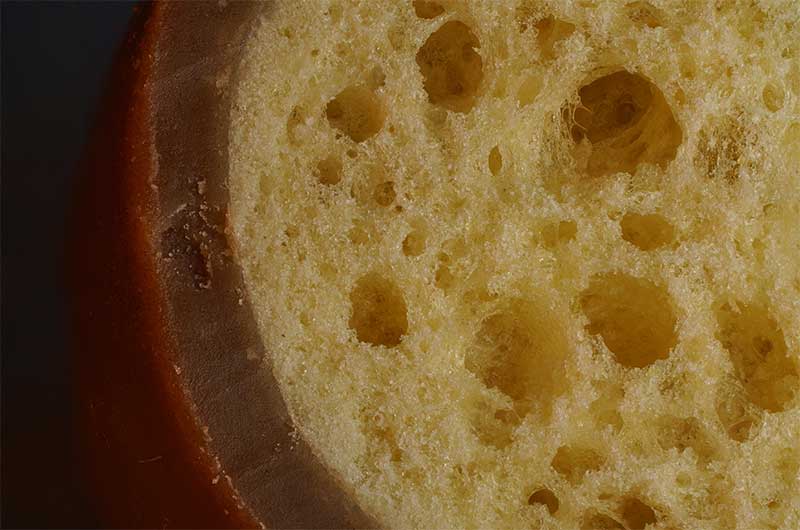
Another advantage of Adaptalux LED lighting is the ability to build up the scene using several lights at once as part of the same system. Rather than relying on a single source of illumination, multiple lights can be positioned around the subject to control different areas independently.
One light might be used to illuminate the main section of chocolate. Another can target the interior texture. This layered approach creates a greater sense of depth and makes the final image appear more three dimensional.
The Adaptalux system also allows multiple lights to be adjusted through the accompanying app, making it easy to fine tune brightness and colour during the shoot. For photographers exploring macro photography LED lighting, this flexibility makes experimentation much easier.
Exploring Different Chocolate Bars
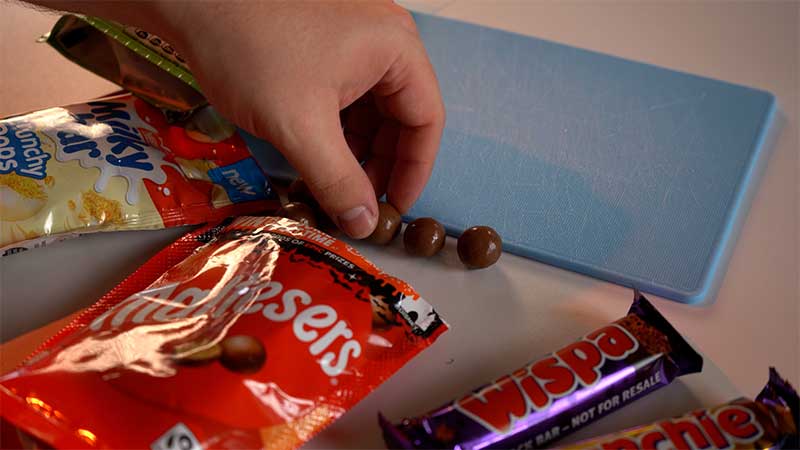
Not all chocolate bars photograph the same way. Aerated chocolate often produces landscapes of bubbles and tunnels. Wafer based bars contain repeating patterns that become highly detailed at macro magnifications. Chocolate coated biscuits reveal crumbs and textures that are invisible at normal viewing distances.
Even the process of breaking a chocolate bar apart can create interesting compositions. Jagged edges, loose crumbs and fractured surfaces often provide more visual interest than perfectly clean cuts.
The beauty of food macro photography is that ordinary subjects suddenly become extraordinary when viewed up close. Every chocolate bar has its own internal structure waiting to be discovered.
Final Thoughts
Chocolate might seem like an unusual subject for macro photography, but it offers an incredible amount of detail when viewed up close. From aerated centres and honeycomb textures to biscuit crumbs and cracks in the chocolate shell, there is always something new to discover.
The key to revealing these hidden details is lighting. The flexible LED lighting allows photographers to position light precisely where it is needed, helping to emphasise texture, shape and depth in even the smallest subjects.
By combining a macro lens with the adaptable positioning of the Adaptalux Pod Mini, it becomes possible to transform an everyday chocolate bar into a collection of dramatic and detailed macro images. Whether you’re interested in chocolate macro photography or looking to improve your food macro photography LED lighting techniques, exploring what’s inside your favourite chocolate bar is a great place to start.

- Best Flexible LED Lighting for Macro Photography - 1st October 2026
- What’s inside your chocolate bar? – Food Macro with flexible LED Lighting - 27th September 2026
- Adaptalux Macro Lighting System vs Ring Lights for Macro Photography - 18th September 2026


