










If you’re looking for a flexible LED lighting system for macro photography, there are several options, but which one is the best? We put all them to the test!
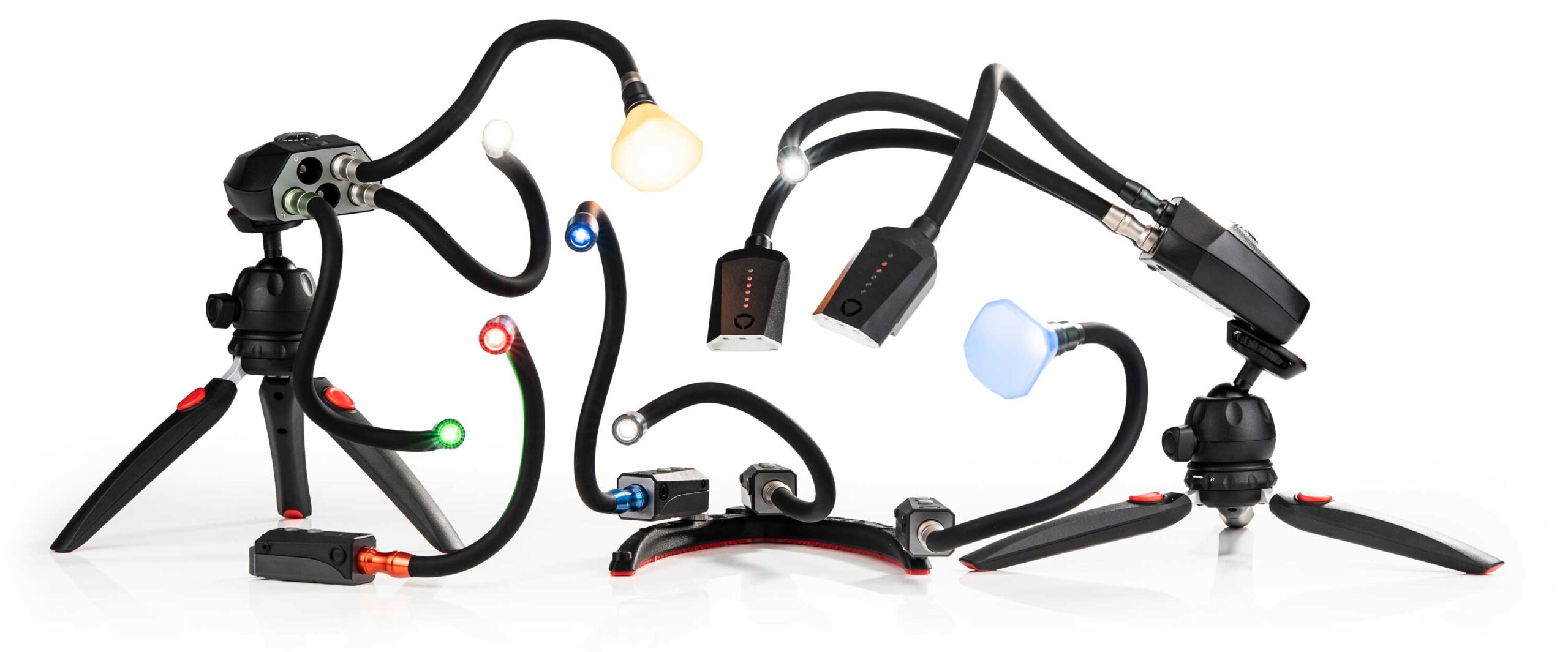
Quick Answer – The best flexible LED lighting for macro photography is the Adaptalux Macro Lighting System. In our hands on comparison, it offered the best combination of usable brightness, precise positioning, independent control and long term expandability.
We also tested:
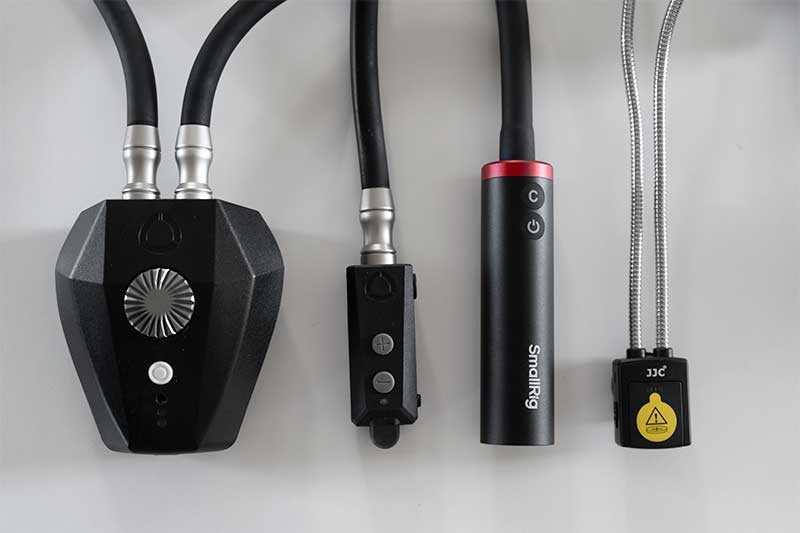
The SmallRig RM03 is a capable budget alternative. It provides useful close range light, but offers less control and fewer expansion options.
The tested JJC macro light was much cheaper, but it was not powerful enough to provide usable lighting for real world macro photography.
A forthcoming Godox macro light was still on preorder at the time of writing, so it could not be tested or ranked fairly.
How We Tested the Macro Lights
The Adaptalux Macro Lighting System, SmallRig RM03 and JJC macro light were manually tested against one another. Each product was used to light real macro subjects at close working distances.
This was a practical comparison, not a comparison based only on manufacturers’ specifications. We considered:
- Usable brightness
- Accuracy of light placement
- Brightness adjustment
- Beam control
- Ease of mounting
- Lighting modifiers
- Portability
- Creative flexibility
- Expansion options
The key question was simple. Could each product provide useful, controllable light for a real macro photograph?
The Godox macro light was the only exception. It was still on preorder at the time of writing, so no production unit was available for hands on testing. It is included as an option to watch, not as a tested recommendation.
What Makes a Good Macro Photography Light?
Macro photography leaves very little space between the lens, subject and background. Large lights can be difficult to position in this restricted area.
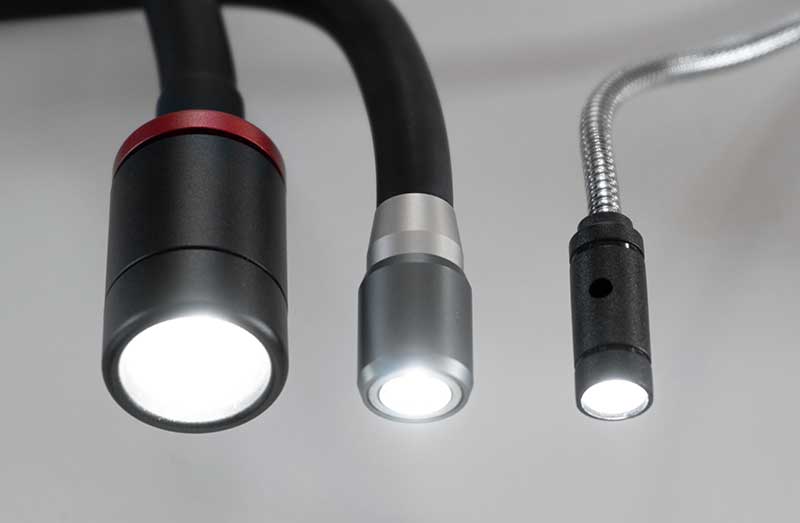
A good flexible macro light needs a small head that can be placed close to the subject. It must also produce enough light to influence the exposure, reveal texture and create controlled highlights.
Brightness alone is not enough. The light must be easy to aim and adjust. Continuous LED lighting is particularly useful because the effect remains visible while composing the photograph. Changes to shadows, reflections and highlights can be seen before the shutter is released. This makes continuous LEDs easier to position and balance than lighting that is only visible during the exposure.
1. Adaptalux Macro Lighting System, Best Overall
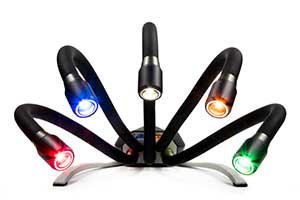
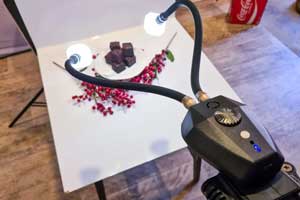
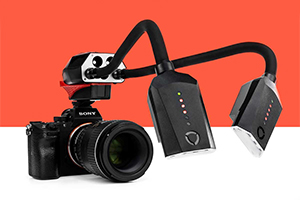
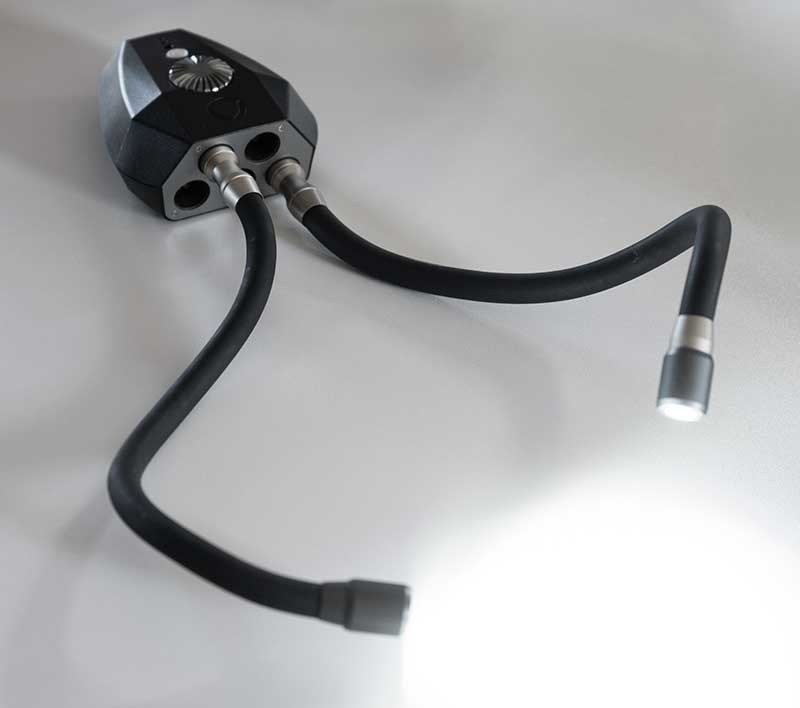
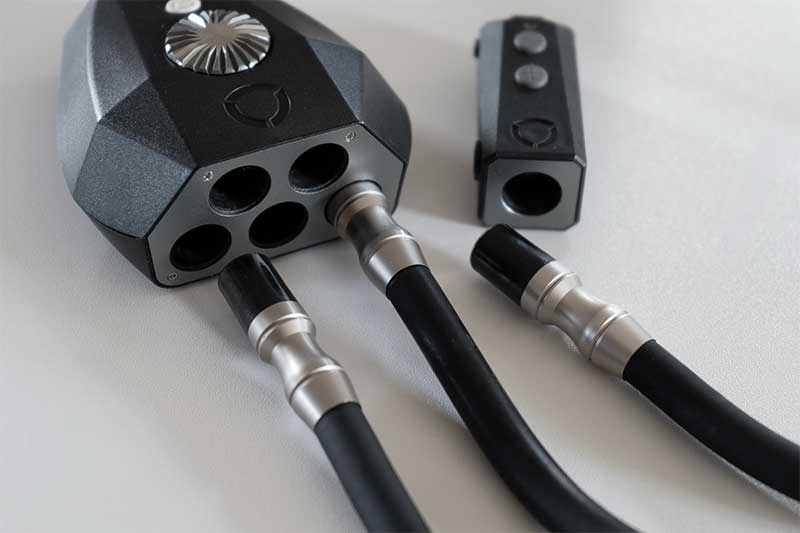
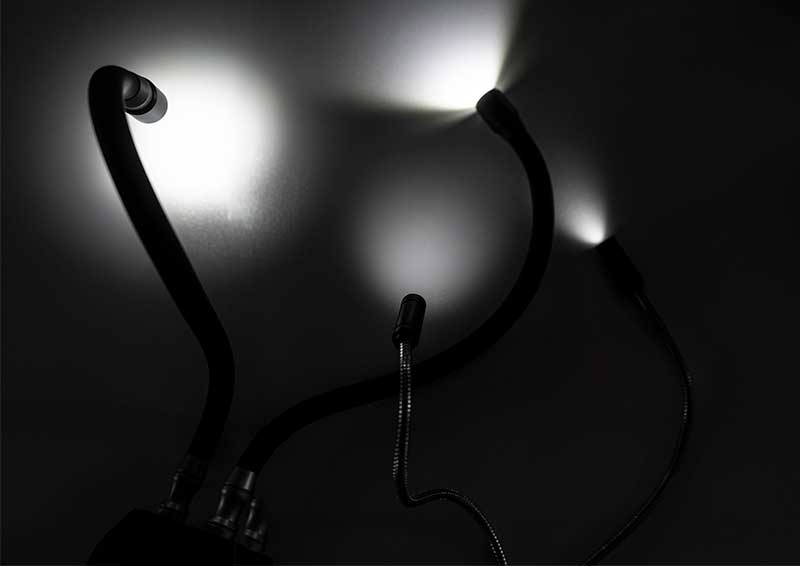
The Adaptalux Macro Lighting System was clearly the strongest option in our hands on test. Unlike a single LED lamp, Adaptalux is a modular lighting system designed specifically for macro photography. Compact light heads sit at the ends of flexible Lighting Arms. Each arm can be positioned independently around the subject.
This design makes it possible to place light in the small spaces around a macro lens. One arm can provide the main light, while another reveals texture or adds separation from the background.
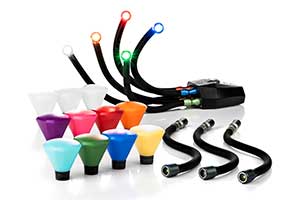
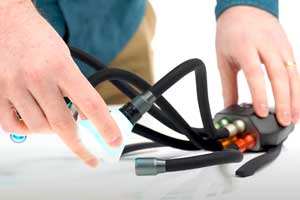
The system includes continuous white and coloured LED options, as well as ultraviolet and Xenon flash Lighting Arms. Compatible Pods offer manual and Bluetooth control. Magnetic diffusers and colour filters attach directly to the light heads.
Standard white LED Lighting Arms are rated at 200 lumens. The more focused Super Bright White Lighting Arm is rated at 400 lumens. Warm white and cool white options are also available, making it possible to choose a suitable colour temperature or combine different white lights. Also available are a range of coloured lights for dramatic effects.
Adaptalux verdict
For photographers taking macro lighting seriously, Adaptalux is the best option. It offers the strongest option for brightness, positioning, control and future expansion.
2. SmallRig RM03, Best Budget Alternative
The SmallRig RM03 was the best lower cost alternative in our test but it does fall short in a few areas. We recently tested the Smallrig RM03 against the Adaptalux System in a detailed head to head comparison.
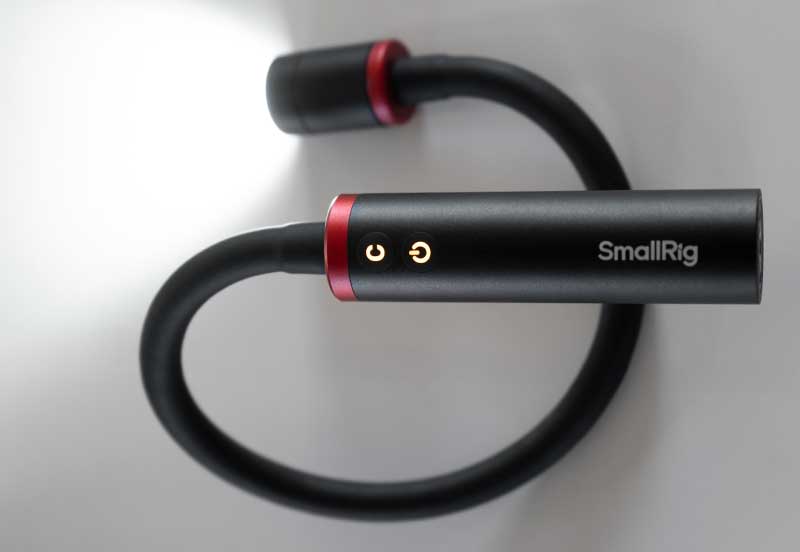
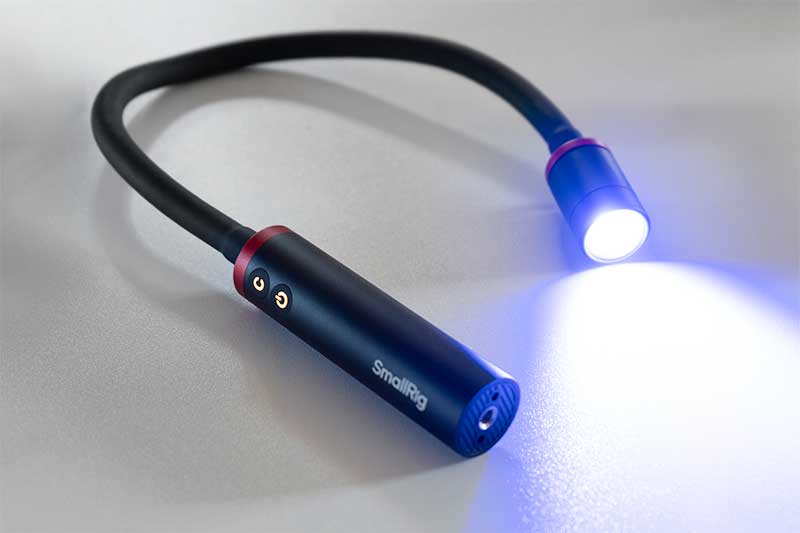
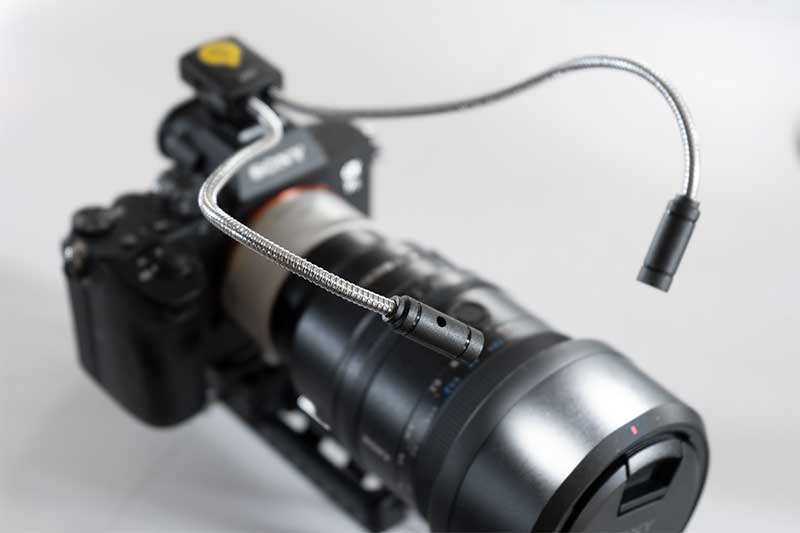
It combines a compact LED with a 390 mm flexible gooseneck. The light offers five colours and includes several accessories, such as a diffuser, barn doors and a spotlight attachment.
The RM03 produced useful illumination at close range. Its flexible neck also made it easier to direct than a conventional compact light.
In our direct comparison, a standard white Adaptalux Lighting Arm produced comparable brightness to the RM03 without its spotlight attachment. SmallRig does not publish a lumen measurement for the RM03, so a complete numerical comparison is not possible.
SmallRig verdict
The SmallRig RM03 is a good budget choice for occasional macro photography. It provides usable light, but serious macro photographers are likely to outgrow its control and expansion options quickly.
3. JJC Macro Light, Too Weak to Recommend
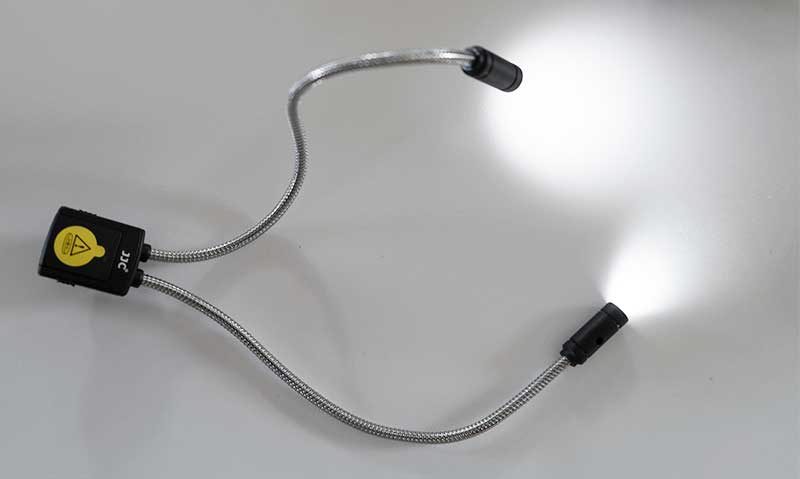
The tested JJC macro light was the cheapest option. Unfortunately, it was also completely unsuitable for practical macro photography.
During hands on testing, the light did not produce enough output to make a useful contribution to the exposure. Moving it close to the subject did not solve the problem.
A light can appear bright when viewed directly but still be too weak for photography. Macro subjects often require smaller apertures to increase depth of field. That increases the need for a useful and concentrated light source.
The tested JJC product could not meet this basic requirement and fell short on many others, like lack of rechargeable batteries, light modification options, flexibility and colour.
JJC verdict
The tested JJC macro light cannot be recommended. Its low price does not represent good value if it cannot meaningfully light a macro subject.
What Is the Best Flexible LED Lighting for Macro Photography?
The Adaptalux Macro Lighting System is the best flexible LED lighting for macro photography from the products compared.
The SmallRig RM03 is a credible budget alternative. It is portable and produces usable close range light, but it provides less precision and room for expansion.
The tested JJC macro light is not suitable for serious or practical macro photography because its output is too weak.
For anyone who plans to develop their macro photography, Adaptalux is the strongest investment. Its small Lighting Arms, precise placement, independent control and modular range provide greater creative freedom than the alternatives tested.
Final Verdict
Choose Adaptalux if you want the best overall flexible macro lighting system.
Choose the SmallRig RM03 if price is the main priority and you only need a single portable light.
Avoid the tested JJC macro light because it is not powerful enough for usable macro photography.
For photographers serious about lighting small subjects with accuracy and control, the Adaptalux Macro Lighting System is the clear winner.
Transparency Note
The Adaptalux Macro Lighting System, SmallRig RM03 and JJC macro light were manually tested against one another in real world macro lighting examples by an experienced macro photographer.

- Best Flexible LED Lighting for Macro Photography - 1st October 2026
- What’s inside your chocolate bar? – Food Macro with flexible LED Lighting - 27th September 2026
- Adaptalux Macro Lighting System vs Ring Lights for Macro Photography - 18th September 2026
