


















Photographing Grains of Sand at High Magnification – Watch on YouTube
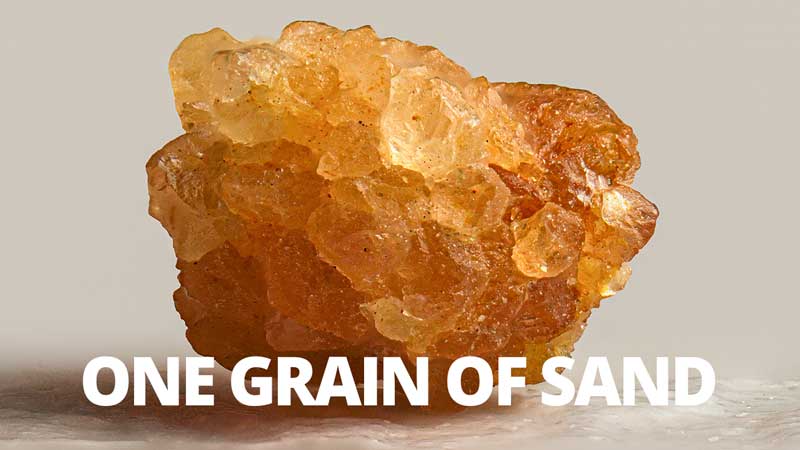
Macro photography often focuses on subjects that feel small, but grains of sand take that idea to an entirely new level. These tiny particles are familiar to everyone, yet rarely seen up close.
With the right approach, you can reveal incredible textures and shapes that turn something ordinary into something visually striking. This guide explores how to capture detailed images of individual grains of sand using high magnification and controlled lighting with the Adaptalux Studio.
Why Sand?
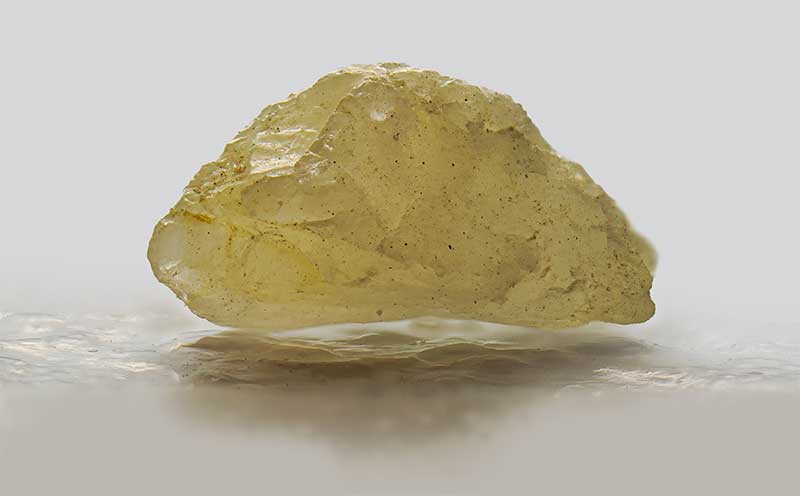
Sand is one of the most recognisable “small” subjects. It is everywhere, yet each grain is unique. When viewed at high magnification, these tiny pieces look more like rocks or mountains than grains. Their textures, edges, and colours vary depending on origin, making them ideal for experimentation.
Using aquarium sand is a great starting point. It offers a mix of sizes, colours, and shapes in a single batch. This variety helps create more interesting compositions and ensures you can select individual grains that stand out.
Choosing the Right Magnification
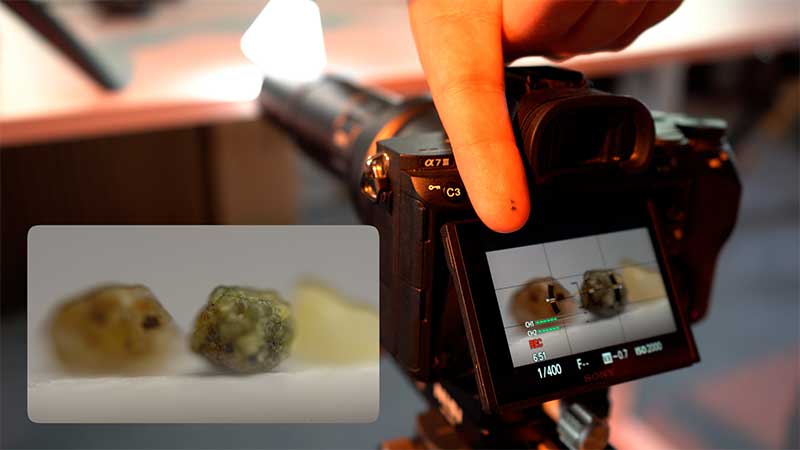
To photograph a single grain of sand clearly, high magnification is essential. A lens in the range of 10x magnification works well. At 10x, the subject becomes incredibly detailed, revealing surface textures that are invisible to the naked eye.
However, this level of magnification introduces challenges. The working distance becomes extremely small, often just a few centimetres. Depth of field is also very shallow, meaning only a thin slice of the subject will be in focus at any one time. Stable setup and precise adjustments are critical.
Lighting with the Adaptalux Studio
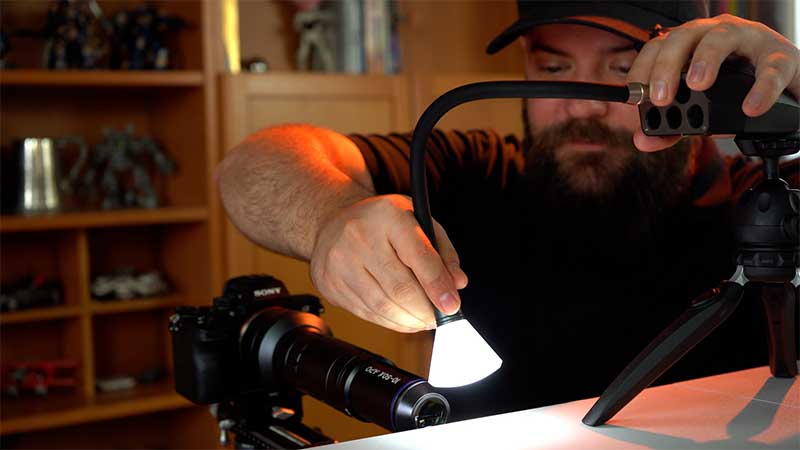
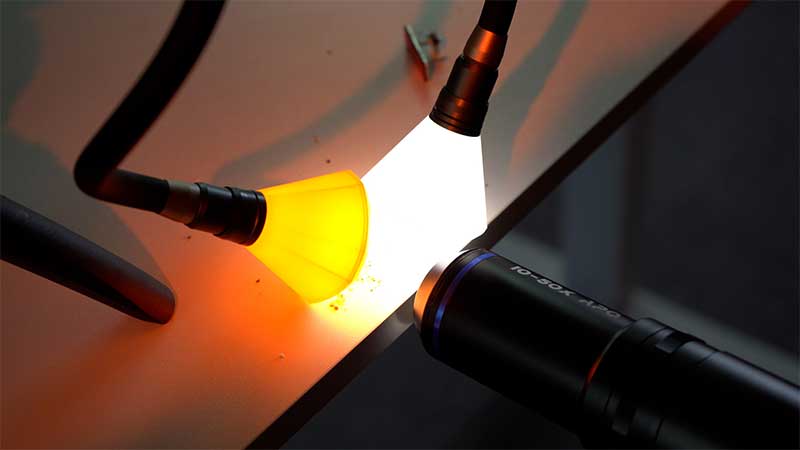
Lighting is one of the most important aspects of this type of macro photography. The Adaptalux Studio is particularly effective because its flexible lighting arms can be positioned very close to the subject. This allows light to reach the tiny grains from angles that would otherwise be impossible.
Diffusion is key. Magnetic diffusers soften the light and reduce harsh reflections on the surface of the grains. You can also introduce colour using filters to add mood and visual interest. A subtle colour wash can transform the scene, giving it a more dynamic and creative feel.
Overcoming Stability Challenges
At high magnification, even the slightest movement can ruin your shot. Touching the camera, adjusting the focus rail, or simply moving near the setup can cause visible shake. This makes stability one of the biggest challenges.
Using a fast shutter speed helps reduce motion blur, but it is not enough on its own. A shutter release cable or remote trigger is essential. This allows you to capture images without physically touching the camera, reducing vibrations significantly.
It is also important to minimise movement in your environment. Even subtle vibrations from footsteps can affect the image. Working carefully and patiently makes a noticeable difference.
Focus Stacking for Sharp Results
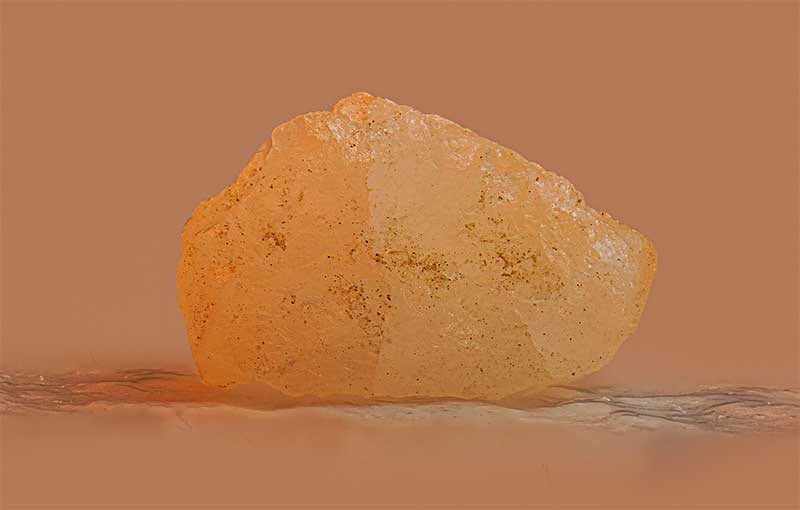
Due to the extremely shallow depth of field, a single image will not capture the entire grain sharply. Focus stacking is the solution. This technique involves capturing multiple images at slightly different focus points and combining them into one sharp final image.
At high magnification, this can mean taking hundreds of images. Each shot captures a thin slice of the subject. Software such as Helicon Focus can then merge these slices into a single image with greater depth and clarity.
Manual focus stacking is often required when using microscope lenses. This involves moving the camera very slightly between shots. Although time consuming, it provides excellent results when done carefully.
Creating Shape and Contrast with Light
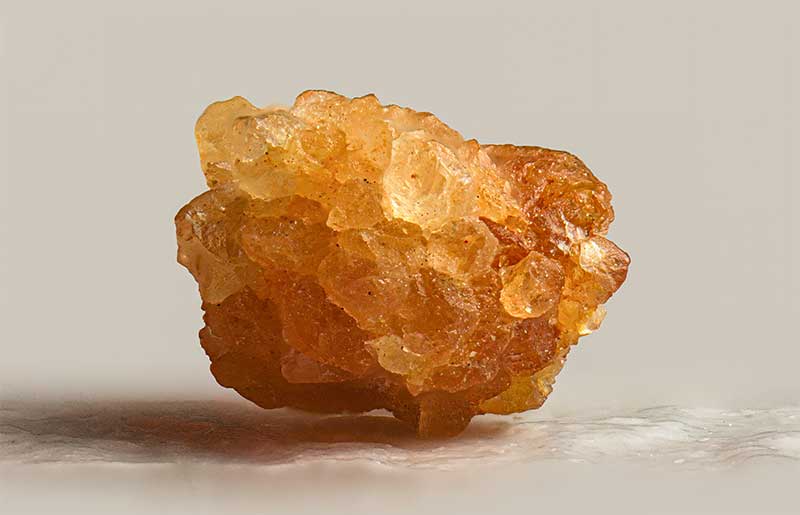
Lighting position can dramatically change the appearance of a grain of sand. Moving a light source to the side creates shadows that emphasise surface textures. This adds depth and brings out fine details that would otherwise be lost.
Introducing a second light can enhance the scene further. For example, combining a neutral white light with a warm coloured light can create a subtle, atmospheric effect. This can make the grain resemble a landscape, almost like a mountain illuminated by a sunset.
The key is to experiment with angles and intensities. Small changes can have a big impact on the final image.
Remember to subscribe to our YouTube channel for regular macro photography tutorials, ideas and inspiration.

- Best Flexible LED Lighting for Macro Photography - 1st October 2026
- What’s inside your chocolate bar? – Food Macro with flexible LED Lighting - 27th September 2026
- Adaptalux Macro Lighting System vs Ring Lights for Macro Photography - 18th September 2026


