










Quick Links
Introduction
UVIVF (Ultraviolet Induced Visible Fluorescence) is a specialist technique that requires a pure UV light source like the Adaptalux UV Lighting Arms. It is a great way to learn about the science of light and explore subjects in a new way.
Getting Started
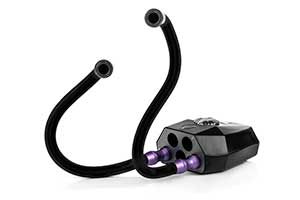
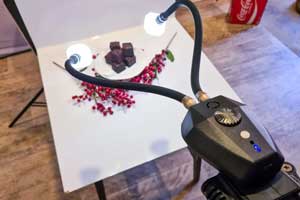
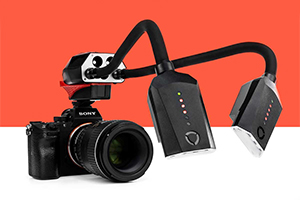
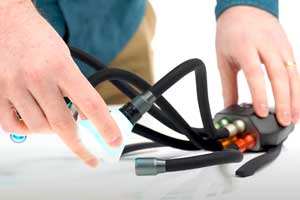
UV Lighting Arms connecto the ports in a Pod and activate automatically. Please refer to the LED Lighting Arm instruction manual for a detailed guide on using arms.
UV Light is invisible to the human eye. Shine the UV Lighting Arm it at something you know to be highly fluorescent. You should be able to see this fluorescence with your own eyes.
UV Subject Choice
Most organic materials have some degree of natural fluorescence. It’s sometimes hard to tell with the naked eye, so the best way is to experiment.
Healthy flowers and insects are a good place to start. Dead or decaying plants and animals may have significantly less fluorescence or different colours to when they were alive.
Shooting Environment
Absolute darkness is important for this method of photography. Any visible light in your shooting space can easily contaminate your photograph and overwhelm the small amounts of fluorescence created by most subjects.
If you can see your surroundings with your own eyes, your space is likely still too bright.
Lastly, make sure there are no other fluorescent objects around your subject. White sheets, clothes or paint may create unintended fluorescence that will illuminate your subject with visible light.
Capture Process
1. Set up and compose your shot under normal light, in a dark room. Your subject must be still and camera mounted on a steady tripod.
2. The UV Arm will illuminate automatically at 50% brightness, increase the brightness up to 100% and position them as close as possible to the subject without obscuring it.
3. Focus on your subject. Use manual focus so your camera does not attempt to re-focus later. A White Lighting Arm can be useful when adjusting the camera focus under visible light. Ensure the white Lighting Arm is turned off or removed before proceeding to the next step.
4. IMPORTANT: When you are ready to take your photo, turn out the lights and remove all ambient light from the area, this includes light created by your phone, camera screens or any other equipment present.
5. Shoot a long exposure. Try to keep your ISO low and aperture narrow. Extend your shutter speed as needed until the image is correctly exposed for the fluorescence of the subject.
Heat Caution
When using boost mode for extended periods, lighting arm heads may become hotter than normal. Please allow the LEDs to cool before touching the end of the arm or packing the arm for storage.
UV Caution
UV lighting arms create invisible ultraviolet radiation that can cause harm. Do not look directly into the lighting arm. UV blocking eye protection is recommended at all times while using UV lighting arms.
Flash Caution
Never shoot a Flash Arm directly into the naked eye as this can cause temporary sight loss and lead to long-term damage. Never attempt to disassemble a Flash Arm, they contain high voltage circuitry that can cause significant harm.
More Resources
Find product specifications and detailed user guides in our support knowledge base.
Have Questions?
Get in touch with us
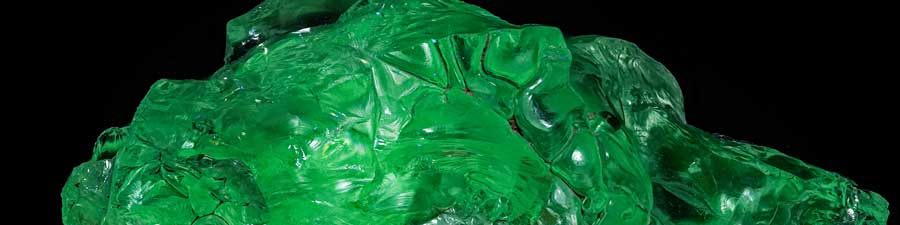
Ultraviolet Mineral Photography – Opal, Corundum & Scapolite
Ultraviolet Mineral Photography – Opal, Corundum & Scapolite – Watch on YouTube Ultraviolet Mineral Photography – Opal, Corundum & Scapolite Ultraviolet mineral macro photography brings together three fascinating areas of imaging, ultraviolet fluorescence, minerals, and close‑up detail (Macro). When combined, they reveal colours and structures that are completely invisible under normal light. This guide explains…

High Magnification Ultraviolet Photography – Pollen Grains
High Magnification Ultraviolet Photography – Pollen Grains – Watch on YouTube Pollen is very interesting up close, but we’re taking it to the next level with some high Magnification ultraviolet photography! UV photography and high magnification macro are both amazing alone, but combined they are sure to create some other-worldly effects! Pollen Macro Photography This…
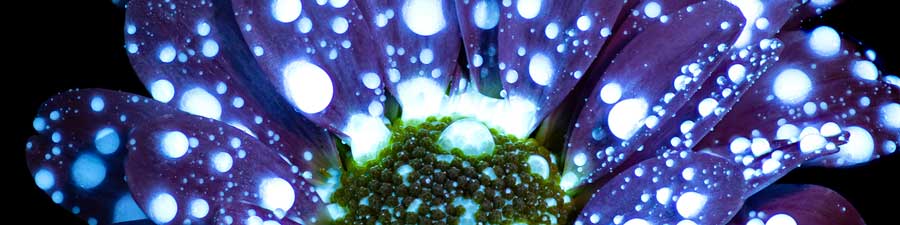
Using Tonic Water to create amazing UV flower photography!
Using Tonic Water to create amazing UV flower photography! – Watch on YouTube We love UV photography, and especially UV flower photography! The effects created by the UVIVF technique and UV lighting arms is stunning and surprising at times! However we can make the effect even more interesting using some highly fluorescent tonic water! What…
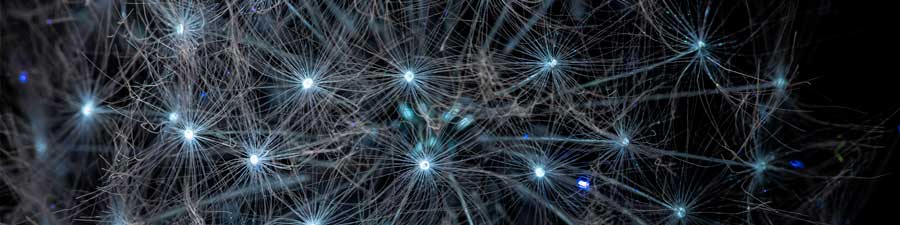
UV Photography – How does a dandelion react to UV light?
UV Photography – How does a dandelion react to UV light? – Watch on YouTube UV Photography is fascinating and not as technical or challenging as you may think. In this UV photography tutorial we will be capturing the classic dandelion shot, with one interesting twist – UVIVF What is UV Photography? UV Photography can…
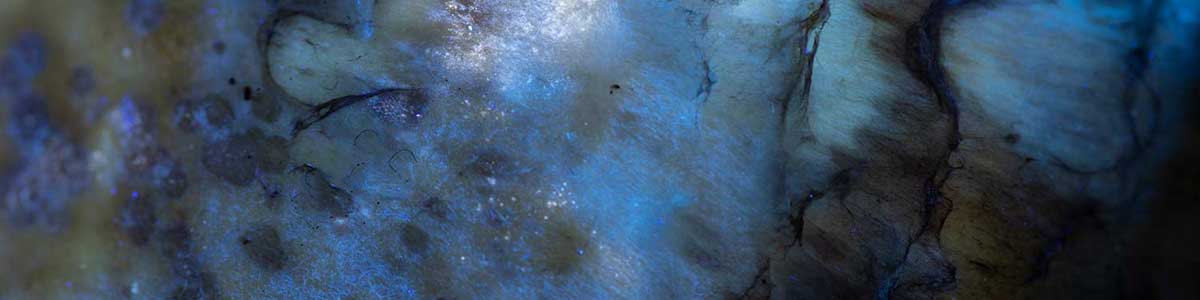
Ultraviolet Mushroom Photography – Fluorescent Fungi
Ultraviolet Mushroom Photography – Fluorescent Fungi – Watch on YouTube Ultraviolet Induced Visible Flourescance (UVIVF) photography can often surprise you. The results you see on the back of the camera after a long exposure are almost always unexpected. Fungi are known to have strange properties sometimes, so some ultraviolet mushroom photography is sure to be…
Why you need a PURE light source for UV fluorescence photography
Why you need a PURE light source for UV fluorescence photography – Watch on YouTube If you have found your way to this article, it’s likely you have seen some UV fluorescence images before. What you may not realise is that not all fluorescent objects are created equal. The question is if one can purchase…