












Mineral Macro Photography Tutorial: Titanium Kyanite and Bismuth Crystals – Watch on YouTube

Mineral Macro Photography Tutorial
Rainbow-coloured minerals are some of the most fascinating subjects for macro photography. Their vibrant hues and intricate structures make them perfect for exploring detail up close. In this guide, we’ll look at two stunning examples: Titanium Kyanite and Bismuth, and how to capture their beauty using the Adaptalux Studio lighting system.
Why Rainbow Minerals?
Both minerals are widely available online and surprisingly affordable. Titanium Kyanite costs around $10, and Bismuth is similarly inexpensive.
These samples are often man-made or enhanced to bring out their colours, but that doesn’t make them any less interesting for photography. Their reflective surfaces and rainbow tones provide endless opportunities for creative shots.
Essential Gear for Macro Mineral Photography
To get started, you’ll need:
- A macro lens capable of high magnification. We used a 2.5–5x ultra macro lens.
- A tripod and focusing rail for stability and precise focus adjustments.
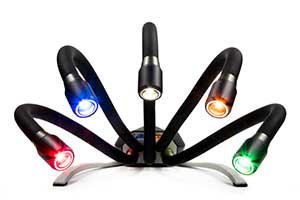
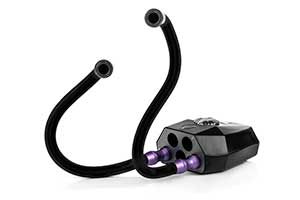
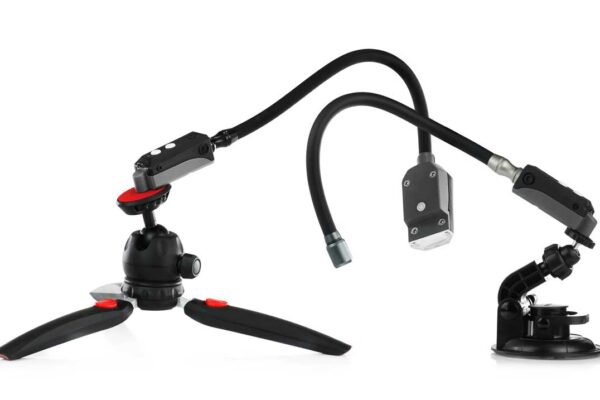
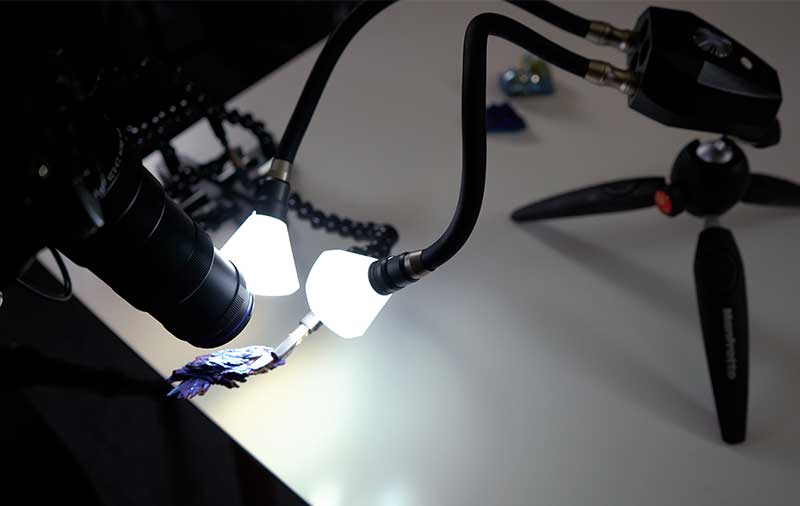
- The Adaptalux Studio lighting system with super bright white lighting arms and diffusers.
Lighting is critical for these minerals. Their colours depend heavily on the angle and intensity of light, so having flexible, controllable lighting is key.
Setting Up Your Shot
Start by mounting your camera on a tripod with a focusing rail. This allows fine adjustments and makes focus stacking easier. At high magnifications, depth of field is extremely shallow, so stacking multiple images is often necessary.
Place your mineral in a subject holder to keep it steady. Position your Adaptalux lighting arms close to the subject. Begin with one white lighting arm and adjust your camera settings to reduce ISO and control exposure. Adding a diffuser softens harsh highlights and fills shadows.
Lighting Titanium Kyanite
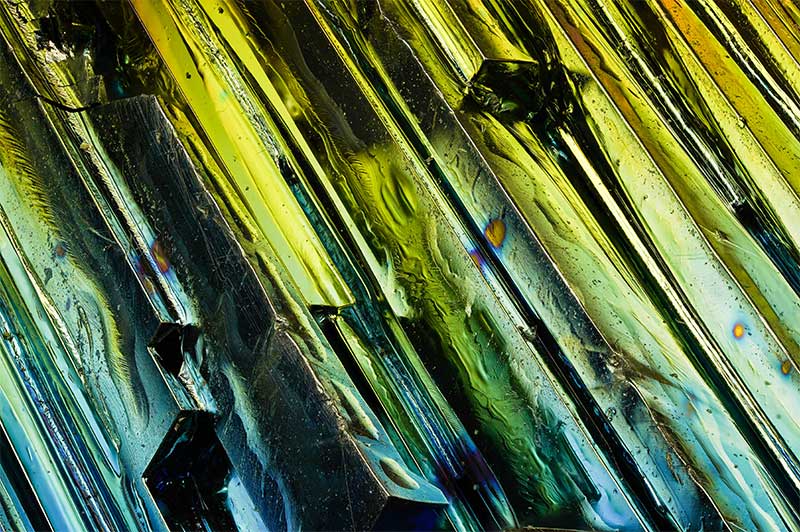
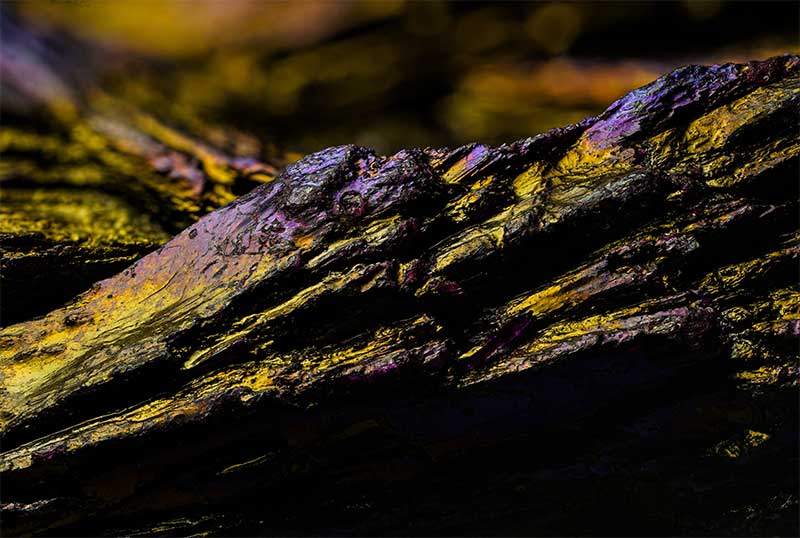
Titanium Kyanite has a fan-shaped structure with jagged edges and rainbow colouring. The colours appear most vividly when light hits at the right angle. Experiment by moving your lighting arms slightly, just a few centimetres can dramatically change the look.
Adding a second lighting arm helps fill shadows and control reflections. Use diffusers on both arms for softer highlights. Adjust your aperture to f8 or f/16 to increase depth of field, but expect to stack several dozen images for full sharpness.
Photographing Bismuth
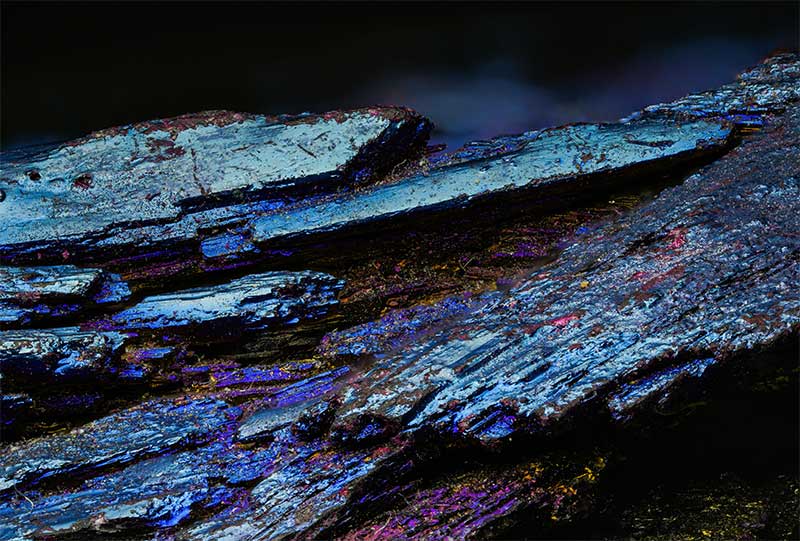
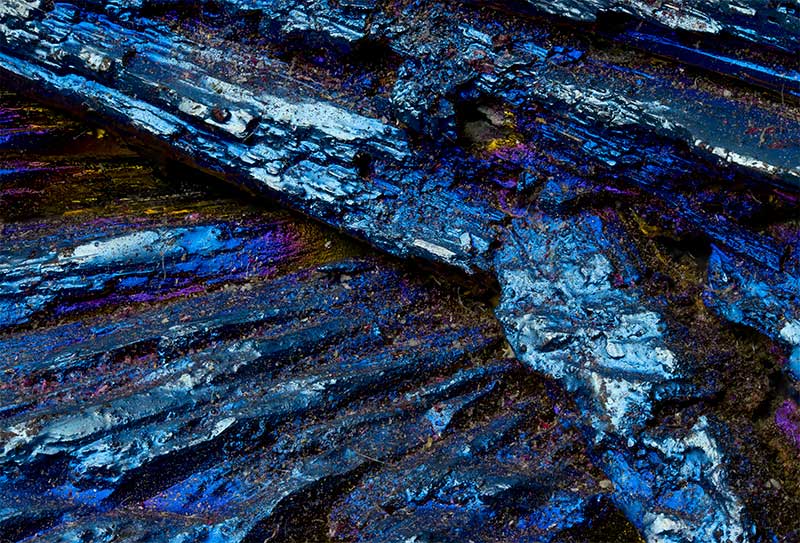
Bismuth is equally colourful but more reflective, with angular crystalline structures. Like Kyanite, its colours depend on light angle, but reflections make it trickier. Position your lights carefully to bounce colour back into the lens without creating harsh glare.
Again, experiment with light placement and subject angle. Small changes can reveal new colours and textures. Two diffused lighting arms usually provide enough control for these reflective surfaces.

Tips for Success
- Experiment with angles: Both minerals change dramatically with light direction.
- Use diffusers: They reduce specular highlights and soften shadows.
- Focus stack: High magnification means shallow depth of field, so stacking is essential.
- Keep ISO low: Good lighting allows you to avoid noise and maintain image quality.
Why Use Adaptalux Studio?
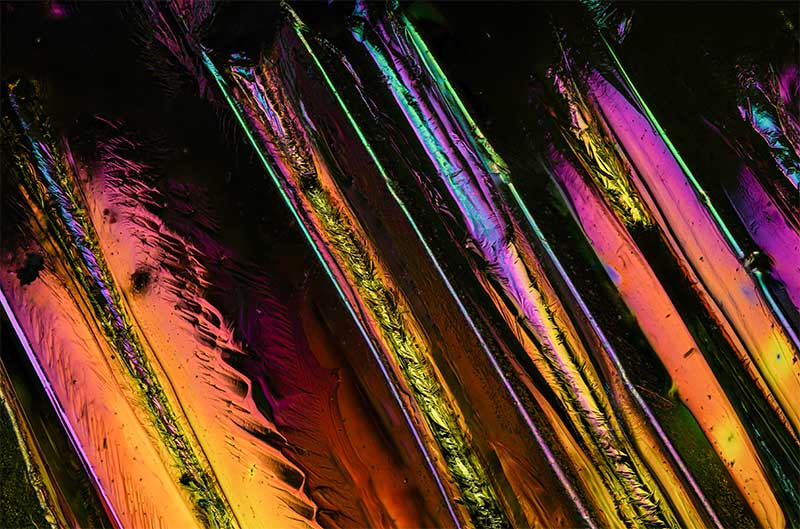
The Adaptalux Studio offers unmatched flexibility for macro photography. Its modular lighting arms and diffusers make it easy to control light precisely, which is vital for reflective subjects like minerals. You can adjust brightness, colour, and position in seconds, helping you capture the perfect shot.
Remember to subscribe to our YouTube channel for regular macro photography tutorials, ideas and inspiration.

- Macro Photography with Hot Glue: Alien Egg Abstracts at Home - 29th March 2026
- Adaptalux at The Photography Show 2026 – Our Biggest and Brightest Year Yet - 23rd March 2026
- Needle Macro Photography – How to Capture the Eye of a Needle (10x magnification) - 15th March 2026


